


















World Drowning Prevention Day: Keeping Children Safe Around Water
Led by The World Health Organization (WHO), World Drowning Prevention Day (July 25, 2026) is recognized as a way to encourage water safety and limit drownings, which claim the lives of 300,000 children around the world on a yearly basis. This year’s theme is “United to Turn the Tide,” as drowning is a top-10 cause of death for children between the ages of 5 and 14.
On its website, The World Health Organization provides an example of how a proactive approach can significantly lower the risk of drowning. In 2006, drowning was the leading cause of death in Thailand for children 15 years old and under, with about 1500 kids drowing each year. However, the country dedicated itself to making a change, through the installation of fences and barries near any water, by providing swim lessons to kids and by offering CPR certification to adults. By 2022, drowning deaths in the nation were down 57%.
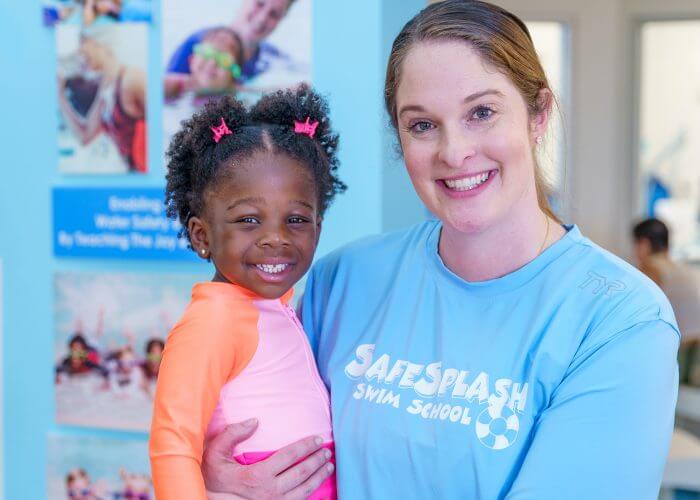 A two-time Olympian (2012/2016), Cammile Adams owns and operates a pair of swim schools in Texas. Adams oversees SafeSplash Swim School in Bridgeland and SafeSplash/SwimLabs Katy West? As a mother, she also emphasizes six key habits to promote water safety with her kids. Adams always abides by the following rules:
- Kids ask permission before entering any water.
- One dedicated “Water Watcher”; no phones, no exceptions.
- Barriers and rescue equipment get checked on a schedule, not just when something feels off.
- Confidence in the water isn’t the same as ability.
- She gets in the water with them, every time she can.
- Lessons start as early as 4 months old, because “ready” isn’t a specific age.
“A lot of people think that because I swam at the Olympics, I don’t have to worry about my own kids around the water,” Adams said. “Honestly, it’s the opposite. If anything, I pay even closer attention because I know just how quickly things can change.
“One of the biggest mistakes people make is thinking a child who looks confident in the water is actually water safe. Those aren’t the same thing, and that gap is where accidents can happen.
“That’s why I’m so passionate about what we do at SafeSplash. We aren’t just teaching kids how to swim from point A to point B. We are giving them the skills to stay calm, make smart decisions, and get themselves to safety if they ever find themselves in trouble.”
Swim Schools and Learn-to-Swim Programs Parents May Consider
Choosing the right swim school is one of the most practical steps families can take to help children become safer and more confident around water. While no lesson program replaces active adult supervision, swim instruction can help children build comfort, water awareness, floating skills, breath control, safe entry and exit habits, and the confidence to keep learning.
Swimming World recently reviewed several swim-school models serving families across the learn-to-swim landscape, from national programs to more personalized early-childhood instruction. Below is a brief summary of several options parents may want to explore.
- Aqua-Tots Swim Schools:
A large global swim-school network with a structured curriculum beginning as early as four months. Aqua-Tots emphasizes consistent progression, parent communication, and purpose-built facilities. - Bear Paddle Swim School:
A swim-school brand known for its child-friendly environment, warm-water pools, small class sizes, and skill-progression approach. - Big Blue Swim School:
A tech-forward swim-school model with app-based scheduling, progress updates, flexible makeups, and custom-built pools designed for visibility and instruction. - British Swim School:
A safety-first program known for its early water-survival focus, including water acclimation, floating, and confidence-building before stroke development. - Goldfish Swim School:
A national swim-school brand built around a warm, colorful environment and a play-based curriculum designed to help young children build confidence and skills. - Nemo Swim School:
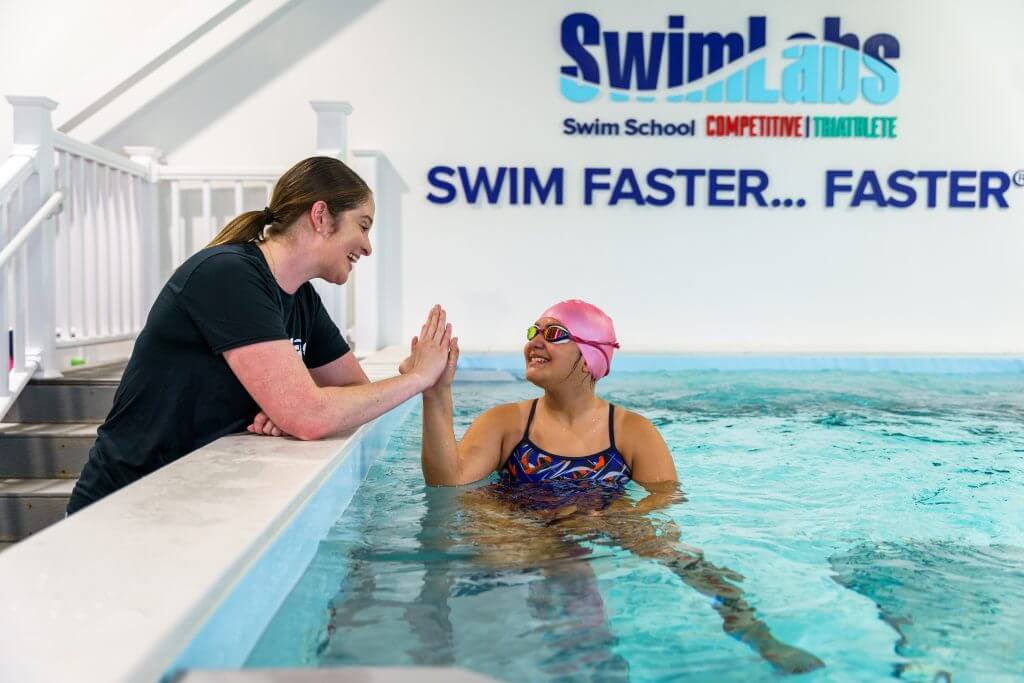
A boutique, child-first swim-school model focused on early water comfort, personalized attention, and emotionally supportive instruction for young beginners. - SafeSplash Swim School and SwimLabs:
A broad instructional platform offering everything from water safety and beginner lessons to stroke development and video-based technique analysis. - Silver Bear Swim School:
A Northern Nevada swim-school program serving families in Reno, Sparks, and Truckee, with certified instructors focused on progressive swim skills, safety, confidence, and helping young children learn to love the water. - YMCA Swim Lessons:
A widely available community-based option known for affordability, water-safety education, and structured swim instruction for children and families.
Parents should look for programs with certified instructors, age-appropriate teaching methods, clear safety policies, small class sizes when possible, and a curriculum that emphasizes comfort, floating, breath control, safe water exits, and consistent supervision.
For a deeper look at how several swim-school programs compare, read Swimming World’s full guide:
Searching for the Best Swim School? How Top Programs Compare in 2025.