




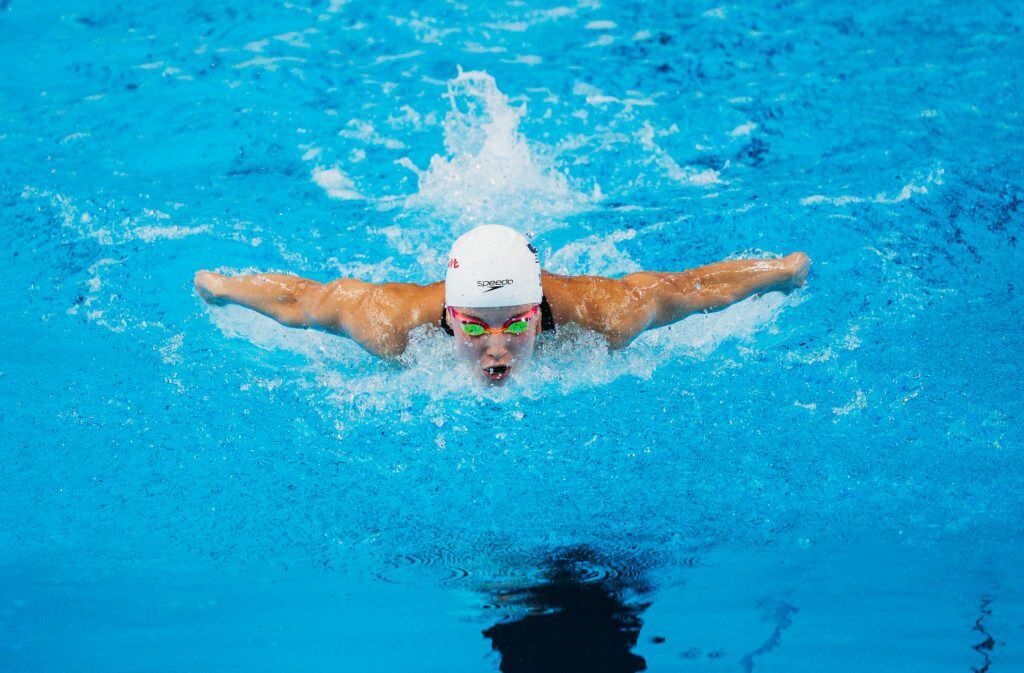















The 200 Breaststroke vs. 200 Butterfly: Which 200 is the Real Nightmare?
Every competitive swimmer has that one event they hope they don’t have to swim. For some, it’s the 200 butterfly, a race with a bad reputation. For others, the real nightmare is the 200 breaststroke, considered one of the most underrated pain caves in swimming. Both events demand endurance, discipline, and the ability to execute under fatigue. But which race deserves the title of swimming’s toughest 200? Is the 200 fly the answer, or has the 200 breaststroke been unfairly left out of the conversation?
Let’s break down the physical toll, the pacing problem, and the mental battle of each race.
The Physical Toll: Power vs. Precision
What makes each race physically exhausting?
- 200 Butterfly: The 200 fly demands sustained power and full-body coordination over eight lengths. Swimmers need to maintain a strong, consistent kick while keeping their hips high and their stroke efficient. As fatigue sets in, maintaining proper technique becomes more difficult, making every length more physically demanding than the last.
- 200 Breaststroke: The 200 breast requires a different kind of physical endurance because it relies on repeated bursts of propulsion through the pull and kick. The legs take on a tremendous workload, and by the final 100, swimmers can feel their kick losing power as fatigue sets in. When the legs begin to give out, maintaining an effective kick becomes increasingly difficult, and swimmers risk “spinning” — increasing their stroke rate without generating enough propulsion to move efficiently through the water. Even the smallest breakdowns in timing and technique can make an already exhausting race feel even longer.
The Pacing Problem: Finding the Perfect Balance
How do swimmers manage their energy over eight lengths?
- 200 Butterfly: Finding the right pace in the 200 fly is a delicate balancing act. Starting too aggressively can leave swimmers struggling to maintain their stroke technique during the final 50, but holding back too much can cost valuable time. The challenge is finding a pace that allows swimmers to remain powerful and technically sound from start to finish.
- 200 Breaststroke: Pacing the 200 breast requires swimmers to find a consistent rhythm between their pull, kick, and glide. Moving too quickly can sacrifice efficiency, while overemphasizing the glide can cause swimmers to lose momentum. Maintaining a balance throughout eight lengths is essential, especially as fatigue begins to affect stroke timing.
The Mental Battle: Surviving the Final 50
Which race demands more mental toughness?
- 200 Butterfly: Few races have the psychological reputation of the 200 fly. Swimmers know the physical demands waiting for them, particularly during the final 50, when fatigue makes maintaining proper technique a serious challenge. Staying committed to the race plan, resisting the urge to shorten the stroke, and continuing to generate power requires serious mental toughness.
- 200 Breaststroke: The mental challenge of the 200 breast lies in maintaining patience, discipline, and confidence when the body begins to fatigue. Swimmers must resist the temptation to rush their stroke or abandon their timing in an effort to move faster. As the race progresses, staying focused on technique and trusting the rhythm of each stroke becomes just as important as physical endurance.
Ultimately, deciding between the 200 fly and the 200 breast as swimming’s toughest 200 comes down to what kind of pain a swimmer is willing to endure. The 200 fly tests sustained power and endurance, while the 200 breast demands precision, patience, and relentless leg strength. Both races push swimmers to their physical and mental limits, just in different ways. Perhaps the real answer isn’t which race is harder, but which one you’d least want to see written next to your name on the heat sheet.