



















How Innovative Coaches Glenn Mills, Mike Koleber, and Nitro Swimming Staff Think About Practice Flow, Safety, Coaching, and the Swimmer Experience
“Great performances usually begin with great environments.”
— Glenn Mills, Founder, GoSwim
What began as a conversation about lane etiquette turned into something much bigger.

During a recent GoSwim Coaches Ed Zoom discussion led by Glenn Mills, Nitro Swimming Founder Mike Koleber and staff members Allison Brol and Raven Chastain offered a revealing look at how one of the nation’s best-known swim programs thinks about practice flow, lane structure, coaching clarity, and the overall swimmer experience.
Lane etiquette was the doorway into the topic. The real subject: what makes swimmers want to come back.
Belonging Is the Starting Point
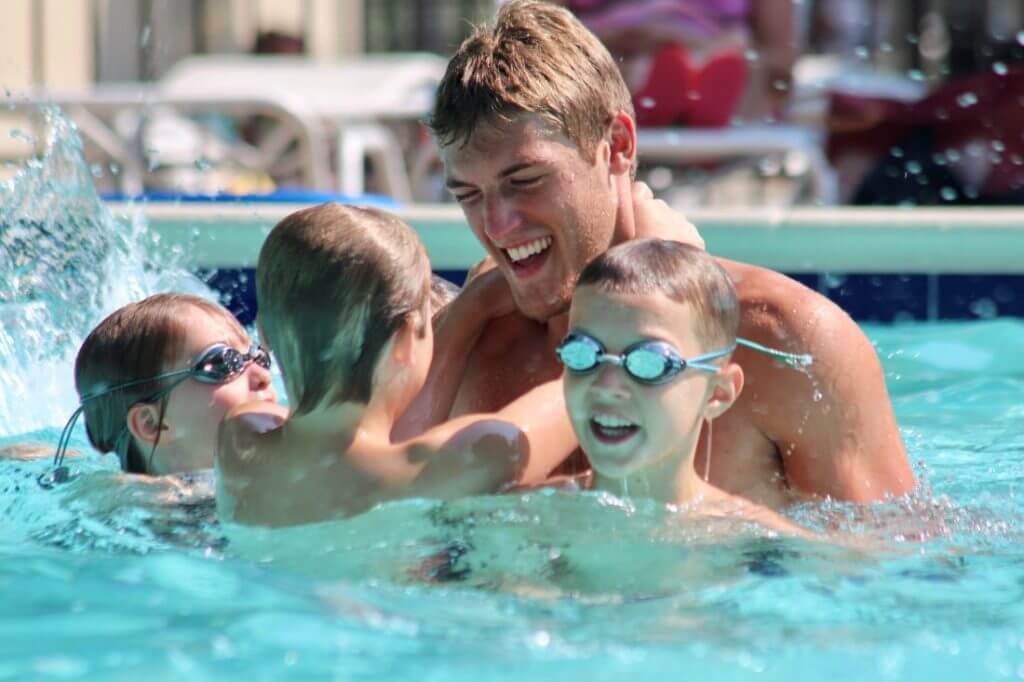
Koleber returned repeatedly to one central idea: swimmers come back when they feel they belong. That belief shapes nearly every decision at Nitro, from group structure and lane organization to the tone coaches set on deck.
Nitro is widely recognized as a major competitive program, yet a substantial portion of its swimmers are activity swimmers who may be in the water once or twice a week rather than training at an elite level every day. That reality changes the job. The goal is not simply to produce fast swimmers. The goal is to create an environment that feels welcoming, clear, and encouraging enough that kids want to return.
“Swimmers come back when they feel they belong.”
— Mike Koleber
That perspective changes the meaning of practice flow. Practice flow is not only about efficiency or keeping the lane moving. It is also about whether a swimmer understands what is happening, knows where to go, and feels comfortable enough to become part of the group.
A Well-Run Deck Reduces Anxiety
That philosophy shows up in the way Nitro organizes water space. Short-course lanes are generally capped at six swimmers, with many upper-level groups operating with four or five. Those choices help keep the practice environment manageable and clear, especially for younger or less experienced swimmers.
Photo Courtesy: Nitros Swimming
Brol and Chastain then walked through Nitro’s color-coded pool maps, which lay out groups, time blocks, coach assignments, and lane usage across multiple sites and thousands of swimmers. On the surface, the maps look like operational documents. In practice, they do something more important. They make expectations visible.
Swimmers know where to go. Coaches know where to be. Front desk staff can answer questions. Parents see structure instead of confusion.
That kind of order matters. A large pool deck can feel intimidating when a child does not know where to stand, who is coaching, or which lane belongs to the group. A visible plan helps remove that uncertainty before practice even begins.
Organization Is Not Separate From Coaching
One of the strongest themes from the Glenn Mills Coaches zoom was that organization is not separate from coaching. It is part of coaching.
Many teams treat structure as background administration, something secondary to writing workouts or teaching stroke mechanics. Nitro’s approach suggests the opposite. Structure is what allows coaching to scale without becoming chaotic. It helps coaches see more, step in sooner, and keep small problems from becoming bigger ones.
That does not mean the system is rigid. Groups can shift lanes depending on the day. Coaches can adjust. Swimmers can make group moves when appropriate. The point is not to lock everything in place. The point is to create enough consistency that adaptation does not feel like disorder.
Good Communication Protects Practice Energy
Koleber also made a simple and useful point about communication. Coaches often say too much, especially to younger swimmers who have already spent a full day in school. He shared a rule of thumb he has carried for years: coaches have about as many seconds to make a point as the swimmer is old. For an eight-year-old, that means about eight seconds.
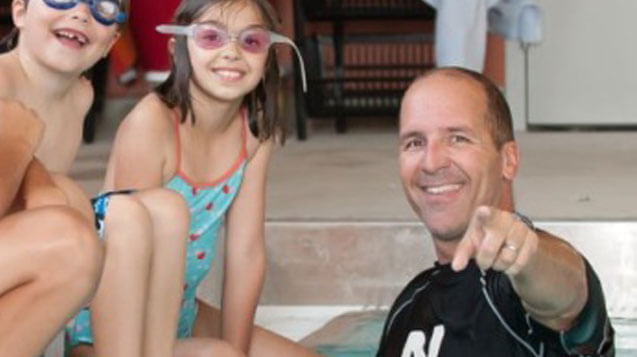
Photo Courtesy: Nitro Swimming
The lesson is obvious and important. Short, direct, repeatable communication works better than long explanations that lose the room.
“The goal is to create an environment that kids want to come back to.”
— Raven Chastain
That matters because practice energy is fragile. Confusion slows everything down. Long explanations drain momentum. Clear expectations help the group move with purpose.
A smooth practice is not one where coaches spend the entire session trying to restore order. A smooth practice is one where expectations are understood early enough that swimmers can settle in and learn.
Better Systems Create Room for Better Teaching
This coaches discussion also made clear that strong organization does not reduce individual attention. It makes more of it possible.
Koleber described a recent example involving a coach teaching open turns. Most of the swimmers had grasped the skill, but four boys had not. Instead of slowing the whole group or allowing those swimmers to keep guessing, the coach gave the advanced lanes a manageable task and pulled the four boys aside into another lane for focused help, all while maintaining line of sight on the larger group.
That is an important coaching detail. Lane effectiveness is not just about traffic. It gives coaches room to teach more precisely.
Chastain shared a similar example from her own coaching. One swimmer was clearly not doing a drill correctly while the rest of the lane understood it. She pulled him aside, asked what he did understand, and then re-explained from there. The moment was small, yet the coaching principle was strong: confusion should be recognized early and turned into instruction before it becomes embarrassment.
Progress Should Be About Fit
That same thoughtfulness showed up in how Nitro talks about swimmer progression. Staff try to avoid the phrase “move-up,” preferring “group move” instead.
“We don’t call them move-ups. It’s a group move.”
— Allison Brol
That wording is intentional. One group is not automatically “better” than another. More an more appropriate fit for where a swimmer is progressing at that point in development.
Placement should not be treated like status. It is not one-dimensional. One swimmer may have strong race results and still need work on streamlines, breathing patterns, or rhythm. Another may look technically ready before the stopwatch fully shows it.
Strong programs do not organize swimmers only by speed… the best swim programs organize them by fit.
A Positive Experience Shapes the Return
Taken together, comments shared by Koleber, Brol, and Chastain described a coaching model that is both demanding and human. A good practice environment is built through visible structure, clear communication, thoughtful supervision, and a system that helps swimmers understand where they belong.
 Swimming often puts the spotlight on workouts, race results, and advancement. This coaches discussion pointed attention to something earlier in the chain of experiences. Great performances usually begin with great environments. Swimmers improve faster when they understand what is being asked of them, feel comfortable inside the system, and trust the program enough to come back the next day.
Not just lane etiquette.
A system that shapes the swimmer experience from the moment practice begins.
Learn More About
Glenn Mills and GoSwim
Mike Koleber and Nitro Swimming