 |
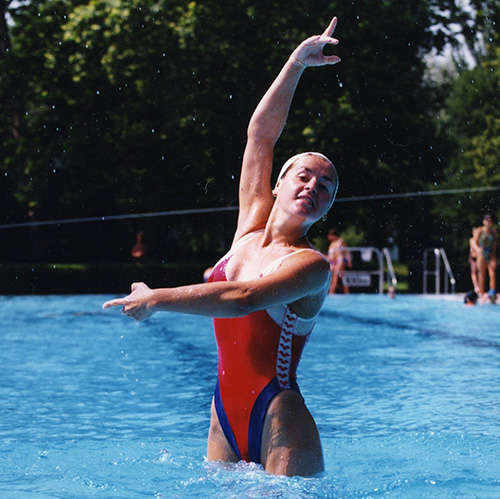
Elena Azarova - Synchronized (Artistic) Swimmer She tried gymnastics, dancing and swimming before she joined the synchronized swim-ming team at the age of five. It was at the Seagull Sports School where she learned to love the water and sports, and it became her second home. |
|
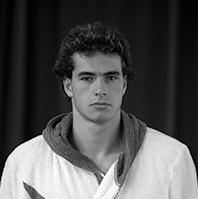 |
Tibor Benedek - Water Polo Player Hungary is a land of thermal springs and although landlocked, swimming and water sports are ingrained in their culture. This love of water led to an early domination of international swimming and diving competitions in the late 19th and early 20th century. In the 1920s, it was water polo that came to symbolize Hungary’s unique strengths and individuality. From 1928 to 1980, the Hungarian National Water Polo Team dominated the sport like no other nation, reaching the podium at twelve consecutive Olympic Games. During this streak the Hungarians won six gold medals, three silver medals, three bronze medals, and back to back titles twice: 1932 and 1936 and, 1952 and 1956. It came to be that anything less than the gold medal was considered a failure. |
|
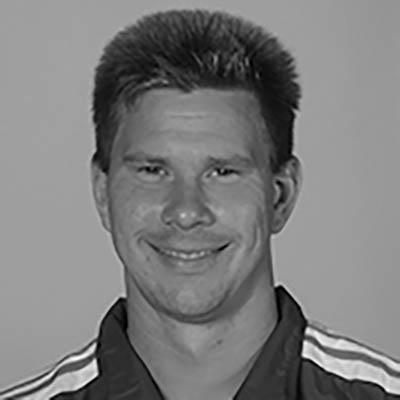 |
Peter Biros - Water Polo Player Hungary is a land of thermal springs and although landlocked, swimming and water sports are ingrained in their culture. This love of water led to an early domination of international swimming and diving competitions in the late 19th and early 20th century. In the 1920s, it was water polo that came to symbolize Hungary’s unique strengths and individuality. From 1928 to 1980, the Hungarian National Water Polo Team dominated the sport like no other nation, reaching the podium at twelve consecutive Olympic Games. During this streak the Hungarians won six gold medals, three silver medals, three bronze medals, and back to back titles twice: 1932 and 1936 and, 1952 and 1956. It came to be that anything less than the gold medal was considered a failure. |
|
 |
Simeon Boychenko - Pioneer Simeon Boychenko was a real-life sports idol to the Russian people in the pre-World War II era. Some thought he might become as famous as the American superstar, “Tarzan,” Johnny Weissmuller, but Simeon Boychenko had his own story to write. He was born in 1912 and grew up in the small village of Marievka in the Ukraine, on the Ingul River, where he spent a lot of time swimming as a child. |
|
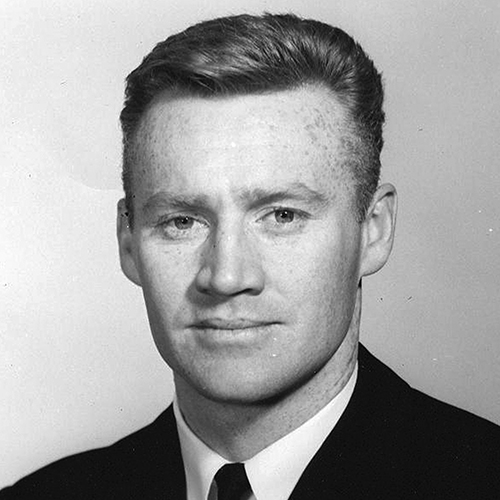 |
Frank Gorman - Diver Before 1973, there were no World Championships, World Diving Cups or Grand Prix Diving series. For divers there was only one chance to test their skills in the international arena every four years and that was at the Olympic Games. |
|
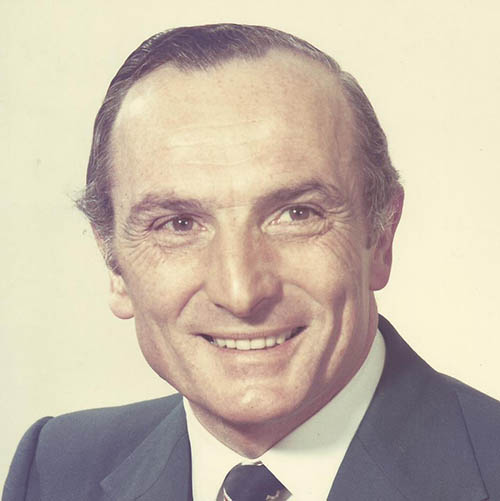 |
Sir Peter Heatly - Contributor As a swimmer, he was the Scottish freestyle champion and record holder over several distances between 1942 and 1947 before deciding to concentrate on diving. Self-taught and self-coached, he won gold medals at the 1950, 1954 and 1958 Commonwealth Games on the 10-meter platform and represented Great Britain at the Olympic Games in 1948 in London and in 1952 in Helsinki. |
|
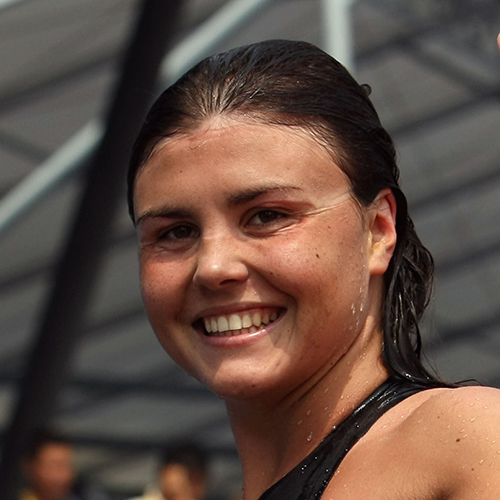 |
Larisa Ilchenko - Open Water Swimmer This eight-time World Champion was unbeatable in major international competition beginning with her 2004 debut in Dubai as a 16-year-old, to her dramatic victory at the inaugural Olympic open water race at the 2008 Olympic Games in Beijing. |
|
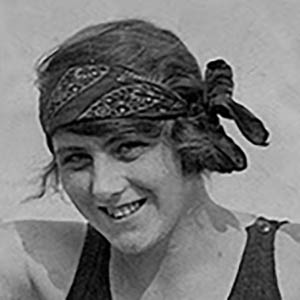 |
Hilda James - Swimmer To avoid attending Church of England religious education classes, which conflicted with her parents religious beliefs, this 11-year old Liverpudlian was assigned to swimming classes at the Garston Baths. |
|
 |
Guo Jingjing - Diver She enjoyed a very normal childhood growing up in the city of Baoding in the province of Hebei, until 1988, when a diving scout visited her school. The scout asked the students if anyone wanted to learn how to dive and Guo Jingjing eagerly volunteered, believing she was signing up for swimming. |
|
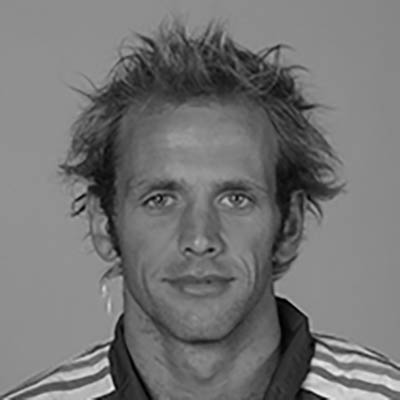 |
Tamas Kasas - Water Polo Player Hungary is a land of thermal springs and although landlocked, swimming and water sports are ingrained in their culture. This love of water led to an early domination of international swimming and diving competitions in the late 19th and early 20th century. In the 1920s, it was water polo that came to symbolize Hungary’s unique strengths and individuality. From 1928 to 1980, the Hungarian National Water Polo Team dominated the sport like no other nation, reaching the podium at twelve consecutive Olympic Games. During this streak the Hungarians won six gold medals, three silver medals, three bronze medals, and back to back titles twice: 1932 and 1936 and, 1952 and 1956. It came to be that anything less than the gold medal was considered a failure. |
|
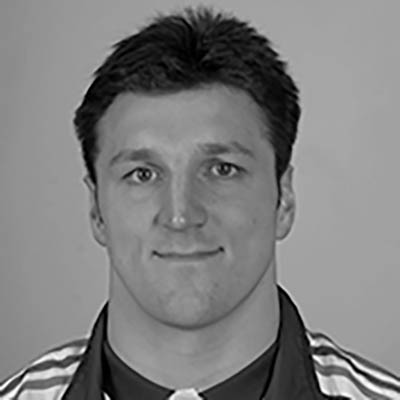 |
Gergely Kiss - Water Polo Player Hungary is a land of thermal springs and although landlocked, swimming and water sports are ingrained in their culture. This love of water led to an early domination of international swimming and diving competitions in the late 19th and early 20th century. In the 1920s, it was water polo that came to symbolize Hungary’s unique strengths and individuality. From 1928 to 1980, the Hungarian National Water Polo Team dominated the sport like no other nation, reaching the podium at twelve consecutive Olympic Games. During this streak the Hungarians won six gold medals, three silver medals, three bronze medals, and back to back titles twice: 1932 and 1936 and, 1952 and 1956. It came to be that anything less than the gold medal was considered a failure. |
|
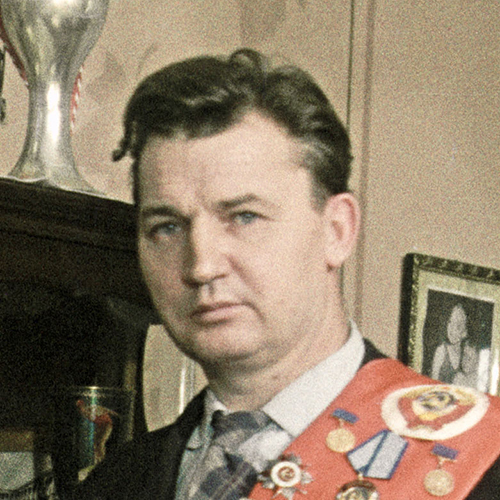 |
Lenoid Meshkov - Pioneer Following in the wake of Russia’s Simeon Boychenko was Leonid Meshkov. Born in Volgograd in 1916, he showed promise as a swimmer. In 1936 his family moved to Leningrad so he could train at the “Dolphin Sports Club.” In 1940, Meshkov, like Boychenko, broke the recognized world record in the 100-meter butterfly-breaststroke, and European records in the 200 and 400-meter freestyle. Also like Boychenko, his times were not recognized. |
|
 |
Tamás Molnár - Water Polo Player Hungary is a land of thermal springs and although landlocked, swimming and water sports are ingrained in their culture. This love of water led to an early domination of international swimming and diving competitions in the late 19th and early 20th century. In the 1920s, it was water polo that came to symbolize Hungary’s unique strengths and individuality. From 1928 to 1980, the Hungarian National Water Polo Team dominated the sport like no other nation, reaching the podium at twelve consecutive Olympic Games. During this streak the Hungarians won six gold medals, three silver medals, three bronze medals, and back to back titles twice: 1932 and 1936 and, 1952 and 1956. It came to be that anything less than the gold medal was considered a failure. |
|
 |
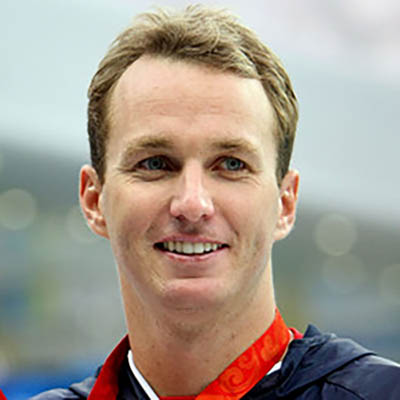
Camille Muffat - Swimmer Camille Muffat began swimming competitively at Club Olympic Nice Natation, at the age of nine. Training under coach Fabrice Pellerin, Camille first came to prominence in 2005, when she upset 2004 Olympic Champion Laure Manaudou in the 200-meter individual medley at the French Nationals. She was just 15 years old. A few months later, she won the same event at the European Junior Championships in Budapest, along with a silver medal in the 100-meter freestyle. |
|
 |
Aaron Peirsol - Swimmer Growing up in the seaside communities of southern California, his love affair with the water came to him naturally. He was introduced to competitive swimming under coach Stacy Zapolski at the Costa Mesa YMCA when he was just five years old. At age eight he moved to a summer swim and water polo league in Corona del Mar with coach Ted Bandaruk. At ten, he joined Junior Lifeguards in Newport Beach before making the move to Irvine’s Novaquatics to swim under Brian Pajer. |
|
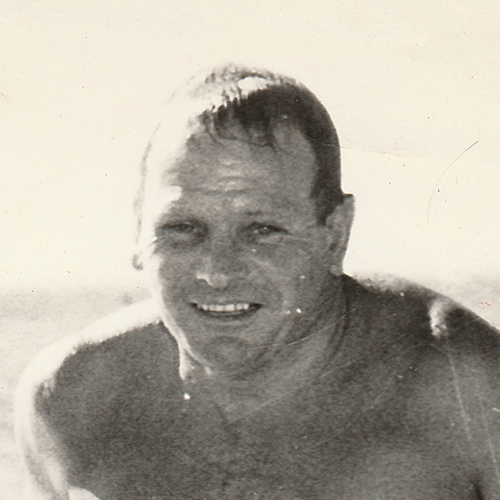 |
Desmond Renford - Open Water Swimmer When Matthew Webb’s feet touched the sandy beach at Cape Gris Nez, France on the morning of August 25th, 1875, after an ordeal of almost almost 22 hours, he became the first man to swim unaided across the English Channel and became a world-wide celebrity as “King of the Channel.” |
|
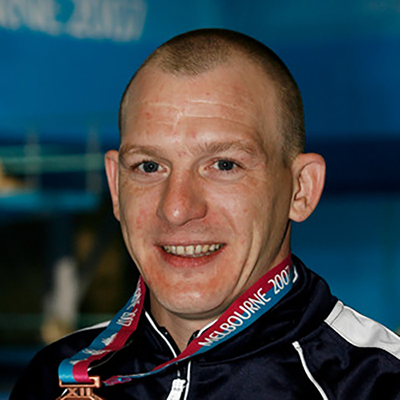 |
Dmitry Sautin - Diver When he first appeared at the Voronezh Children’s Sports School at the age of seven, no one could have imagined that this youngster would one day reign as the Czar of Diving. Although physically strong and fearless, he was very inflexible and didn’t know how to swim. Yet Tatiana Starodubtseva, the school’s diving coach saw in him the courage, perseverance and determination that would make him one of the greatest divers in the history of the sport. |
|
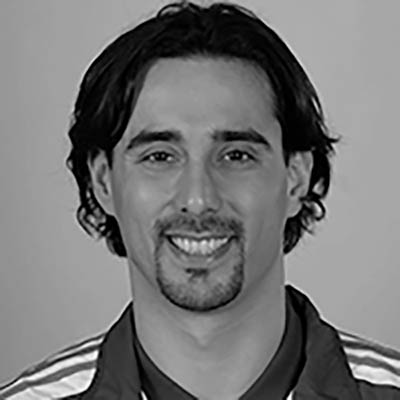 |
Zoltán Szécsi - Water Polo Player Hungary is a land of thermal springs and although landlocked, swimming and water sports are ingrained in their culture. This love of water led to an early domination of international swimming and diving competitions in the late 19th and early 20th century. In the 1920s, it was water polo that came to symbolize Hungary’s unique strengths and individuality. From 1928 to 1980, the Hungarian National Water Polo Team dominated the sport like no other nation, reaching the podium at twelve consecutive Olympic Games. During this streak the Hungarians won six gold medals, three silver medals, three bronze medals, and back to back titles twice: 1932 and 1936 and, 1952 and 1956. It came to be that anything less than the gold medal was considered a failure. |
|
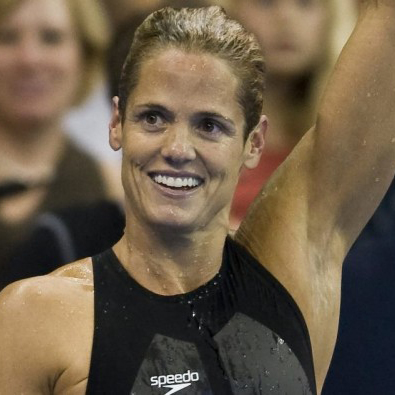 |
Dara Torres - Swimmer Dara Grace Torres grew up in Beverly Hills, California, where she learned to swim in her family’s backyard pool. At the age of seven, she followed her brothers to swim practice at the local YMCA. During her junior year of high school, Torres moved to Mission Viejo, CA, to train with Hall of Fame Coach Mark Schubert, and in 1983 she broke the world record in the 50-meter freestyle. The next year, while not yet a senior in high school, she won her first Olympic gold medal as a member of the USA’s 4x100 freestyle relay team. |
|
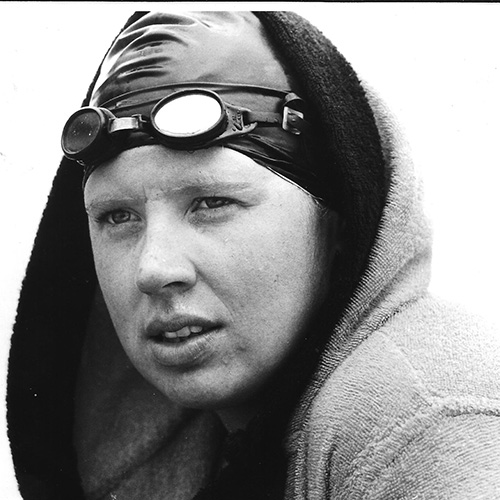 |
Monique Wildschut - Swimmer Before turning professional, Monique Wildschut was a five-time Dutch Open Water Champion from 1978 through 1982. She was also a Dutch National Champion in the pool, holding records in the 800-meter freestyle and the 400 medley relay. |
|